
Donald Trump declared that the new Iranian leader is “unacceptable.”
China responded that the selection of leadership in Iran was conducted in accordance with the Iranian constitution, not based on Washington’s approval rating.
Beijing views this as more than just a diplomatic reply. It reflects a deeper message about the emerging international order.
For decades, the United States has acted as though changes in leadership in other countries require Washington’s approval.
However, China has openly rejected this approach, stating that Iran’s leadership selection is purely an internal matter.
By emphasizing that the succession process followed the Iranian constitution and rejecting external interference, Beijing has delivered several key signals:
- Granting international legitimacy to the new Iranian leader.
- Rejecting the idea that Washington has the authority to approve or reject other governments.
- Issuing an indirect warning against further military escalation by the United States or Israel.
Trump may continue to issue threats, but China has reframed the debate with a clear message:
Sovereignty is not for the United States to decide.
In a multipolar world, the long-standing assumption that Washington determines who governs other countries is coming to an end — the final decision belongs to the nations themselves.
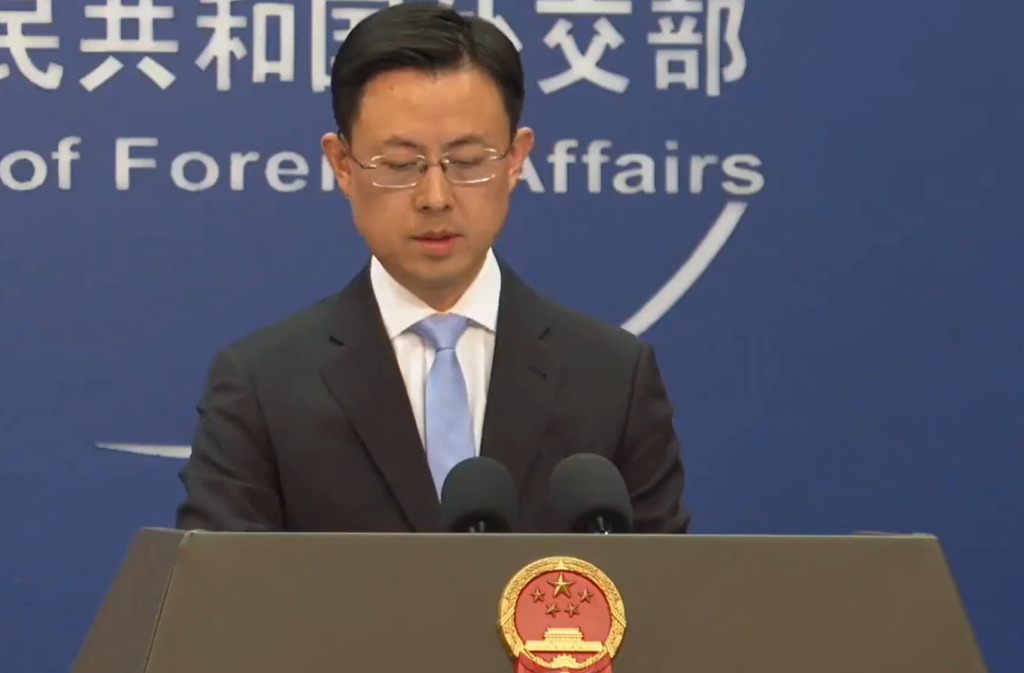
In the end, the exchange between Washington and Beijing over Iran’s leadership reflects a deeper global shift. As geopolitical tensions rise, the debate is no longer only about Iran, but about who has the authority to shape the political future of sovereign nations. In an increasingly multipolar world, the balance of power — and the rules that govern it — are clearly being redefined.
About The Author