
Cuba “Will Be Next”? A Call for Peace in a Time of Uncertainty
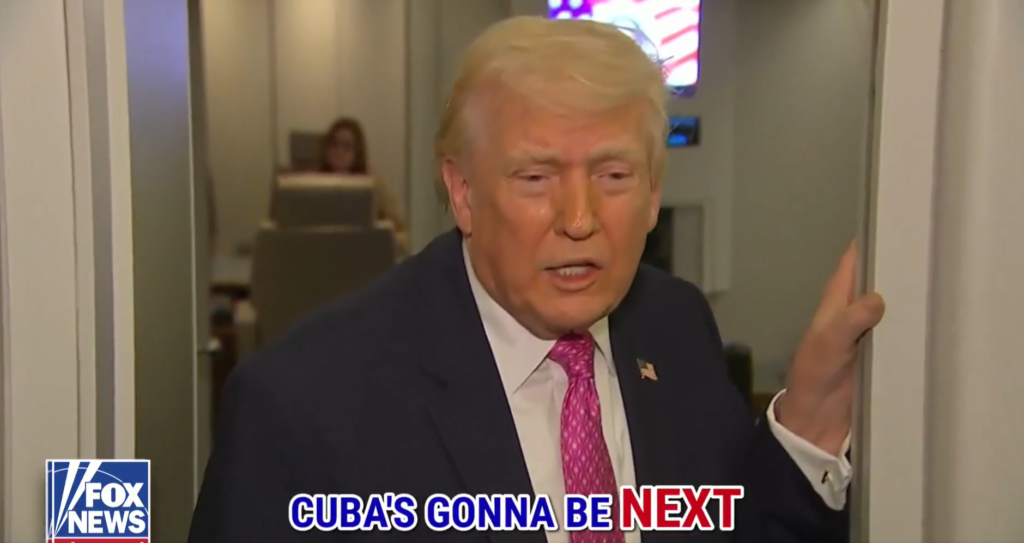
Recent remarks from Donald Trump have once again drawn global attention to the fragile situation in Cuba. When asked about future geopolitical developments, the former U.S. President stated that “Cuba’s going to be next,” describing the country as “a mess” and predicting its potential collapse in the near future. While such statements may resonate with certain political narratives, they also raise deeper concerns about stability, intervention, and the future of peace in the region.
Cuba has long faced economic hardship, political isolation, and the enduring effects of decades-old sanctions. These challenges have significantly impacted the Cuban people—limiting access to essential goods, restricting economic growth, and contributing to social strain. However, history has shown that labeling nations as “failing” or anticipating their collapse can sometimes intensify tensions rather than resolve underlying issues.
At this critical juncture, the global community must shift its focus from confrontation to cooperation. The people of Cuba—like people everywhere—deserve dignity, stability, and the opportunity to shape their own future without fear of external pressure or political escalation. Rather than viewing Cuba through the lens of crisis alone, it is vital to recognize the resilience of its citizens and the potential for constructive dialogue.
Peace is not achieved through predictions of failure or narratives of intervention. It is built through understanding, diplomacy, and mutual respect. The relationship between the United States and Cuba has historically been complex, marked by both conflict and moments of rapprochement. These moments of engagement—when dialogue replaced division—offer valuable lessons for today’s leaders and citizens alike.
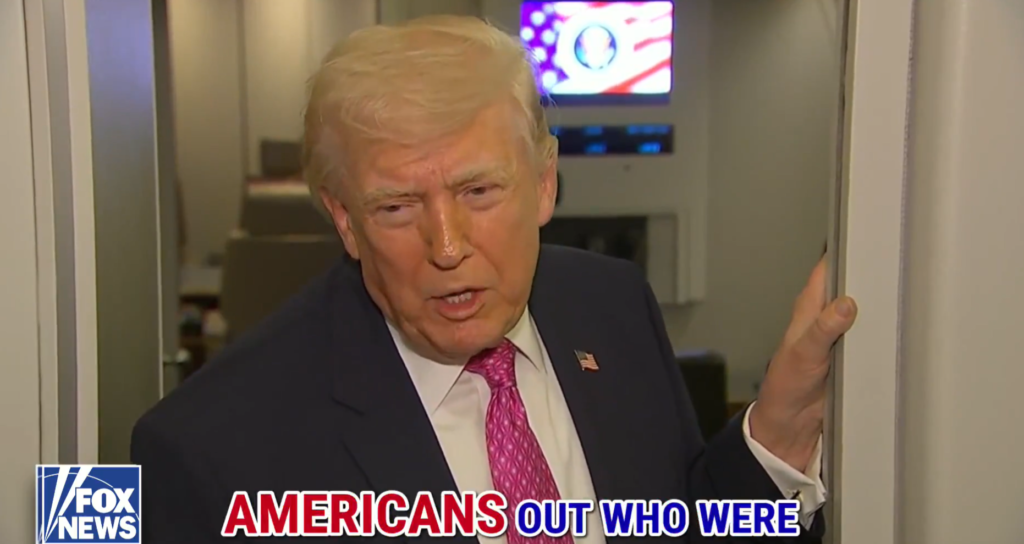
For Cuban-Americans and those with ties to the island, the situation is deeply personal. Many hope for positive change, improved living conditions, and greater freedoms for their loved ones. Yet even in these hopes, the call should remain rooted in peaceful transformation, not instability. Supporting the Cuban people should mean advocating for humanitarian assistance, economic opportunity, and open channels of communication—not fueling uncertainty or fear.
In a world already facing numerous conflicts and crises, the importance of preserving peace cannot be overstated. Words from influential leaders carry weight, shaping public perception and potentially influencing policy decisions. That is why it is crucial for both leaders and citizens to use their voices responsibly—to promote dialogue instead of division, and cooperation instead of confrontation.
Now more than ever, we must stand together as a global community committed to peace. Let us reject narratives that predict collapse and instead support efforts that build bridges. Let us encourage policies that prioritize human well-being over political gain. And most importantly, let us remember that behind every headline are real people whose lives are affected by the choices made on the world stage.
Peace is not a passive ideal—it is an active choice.
It is a choice to listen, to understand, and to act with compassion.
🌍 Join the movement for peace. Share this message, raise awareness, and stand in solidarity with people everywhere who seek a future free from conflict and fear.
About The Author


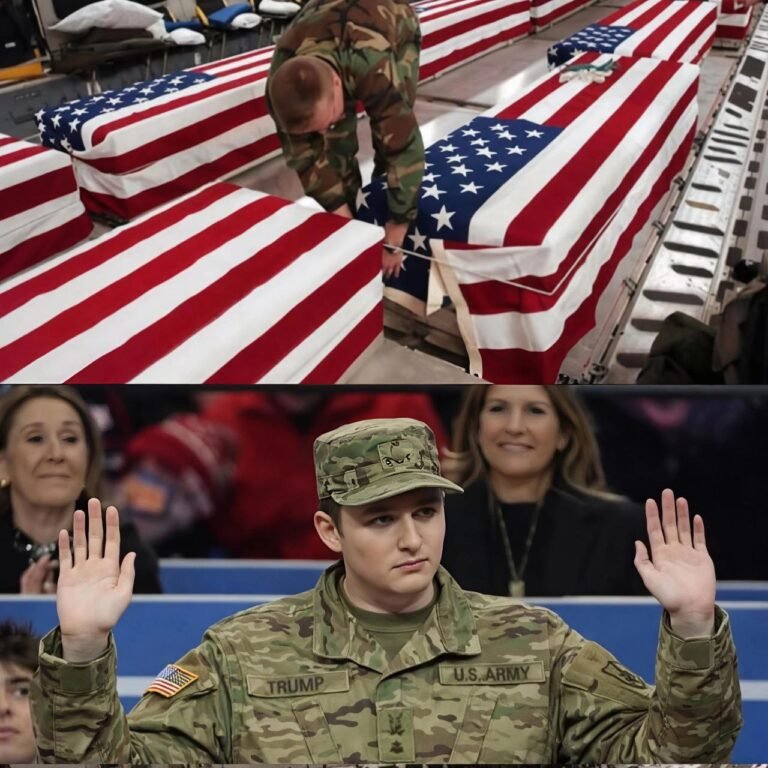







No was Trums