IRS Notice 2026-26 updates corporate bond yield curves, segment rates, and Treasury rates impacting pensions and financial planning.
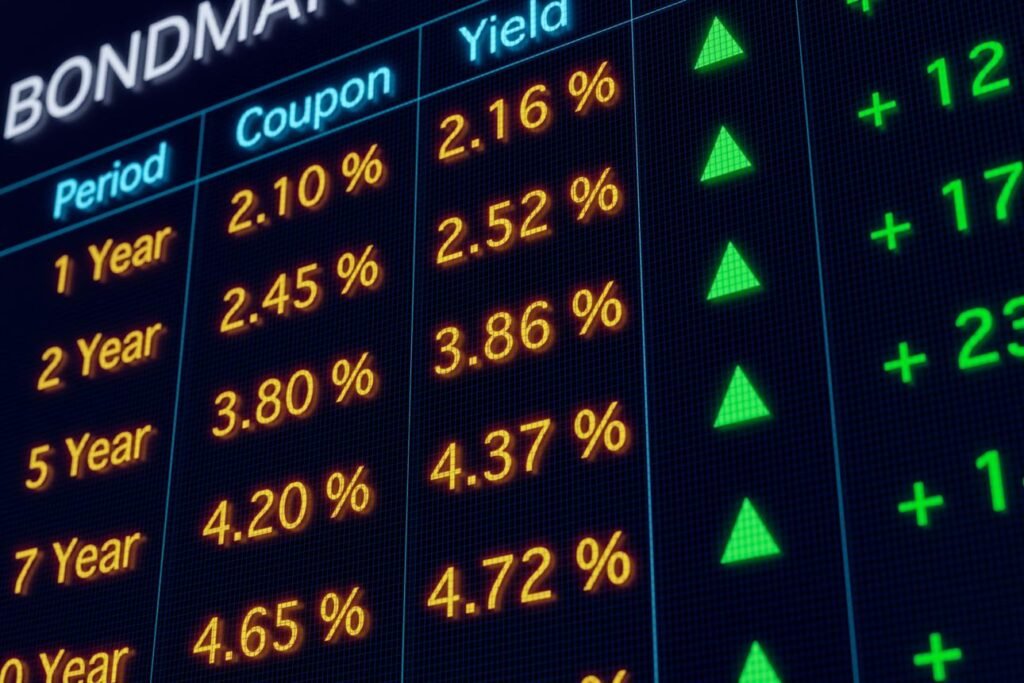
The financial landscape is constantly evolving, and recent updates from the IRS are drawing significant attention. In Notice 2026-26, the Internal Revenue Service released important changes to corporate bond yield curves and segment rates. These updates directly influence pension calculations, corporate financial planning, and long-term investment strategies.
Understanding these changes is essential for businesses, investors, and financial professionals alike. While the terminology may seem complex, the implications are far-reaching. This article breaks down the key points in a simple, easy-to-read format to help you stay ahead in the financial game.
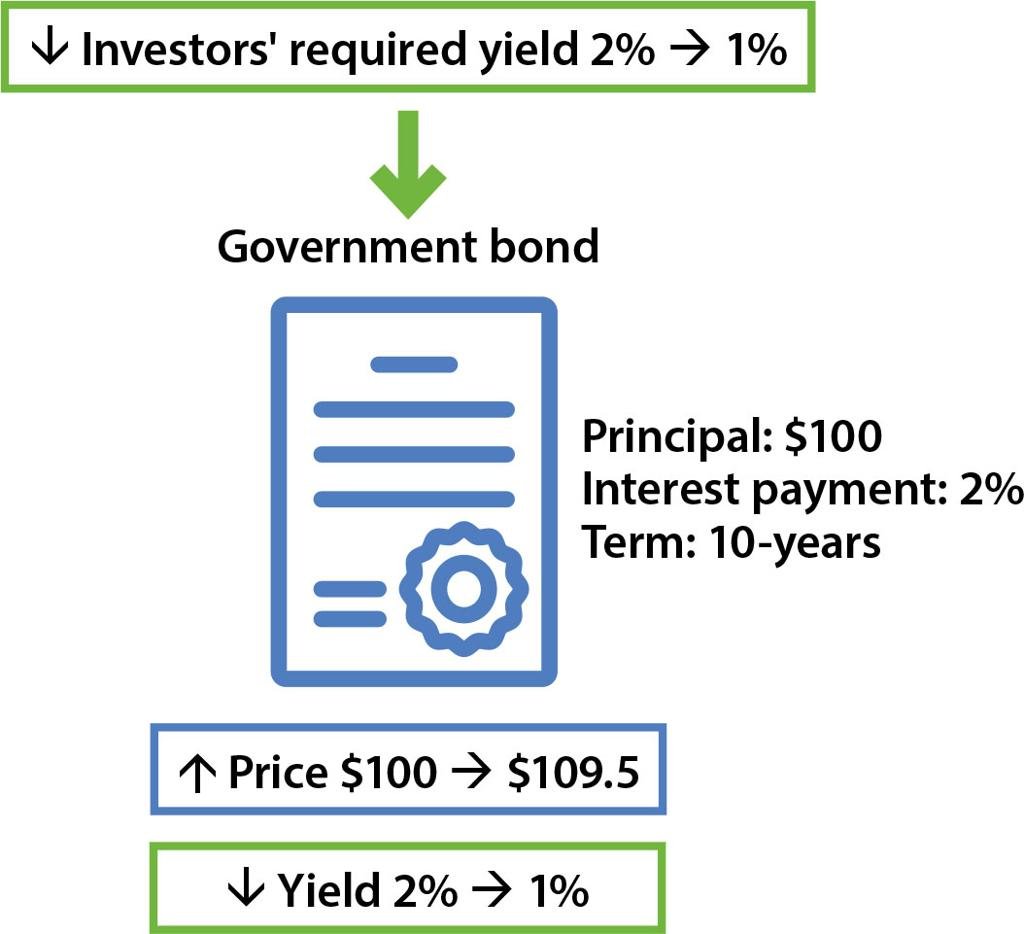
At the core of Notice 2026-26 is the update to the corporate bond monthly yield curve. This curve represents the relationship between interest rates and different maturity periods of corporate bonds. It serves as a critical benchmark for valuing pension liabilities and determining funding requirements.
The IRS also released updated spot segment rates for March 2026 under Section 417(e)(3)(D). These rates are used to calculate the present value of future pension payments. Even small adjustments can significantly impact how much companies must set aside to meet their obligations.
Another key component is the 24-month average segment rates applicable for April 2026. These averages smooth out short-term volatility in the market. By using a longer-term average, companies can better manage risk and avoid sudden financial shocks.
Additionally, the notice includes updated 30-year Treasury rates under Section 430(h)(2)(C)(iv). These rates are widely used as a benchmark for long-term financial planning. They play a crucial role in determining discount rates for pension funding and other liabilities.
For businesses, these updates are more than just technical adjustments. They directly affect balance sheets, funding strategies, and compliance requirements. Companies with defined benefit pension plans must pay close attention to ensure they remain properly funded.
Investors should also take note of these changes. Bond yield curves and Treasury rates often signal broader economic trends. Rising rates may indicate tightening monetary conditions, while lower rates can suggest economic slowdown or stimulus measures.
Ultimately, Notice 2026-26 reflects the IRS’s ongoing effort to align financial regulations with current market conditions. By updating these rates regularly, the system remains accurate, transparent, and responsive to economic realities.

The release of IRS Notice 2026-26 highlights the importance of staying informed in a rapidly changing financial environment. These updates may appear technical, but their impact is deeply practical for businesses, investors, and financial planners.
By understanding bond yield curves, segment rates, and Treasury benchmarks, stakeholders can make smarter decisions. Whether managing pension obligations or planning long-term investments, accurate data is the foundation of success.
As financial regulations continue to evolve, staying updated is no longer optional—it’s essential. Keeping track of these changes ensures compliance, reduces risk, and opens the door to better financial outcomes.
Follow
👉 Follow our Facebook and YouTube channels for more real-time financial updates, insights, and breaking news that matter to you.
FinanceNews #IRSUpdate #BondYield #InvestmentStrategy #EconomicTrends
About The Author