Executive Order by the U.S. President: A Turning Point Shaping the Global Bitcoin and Crypto Market
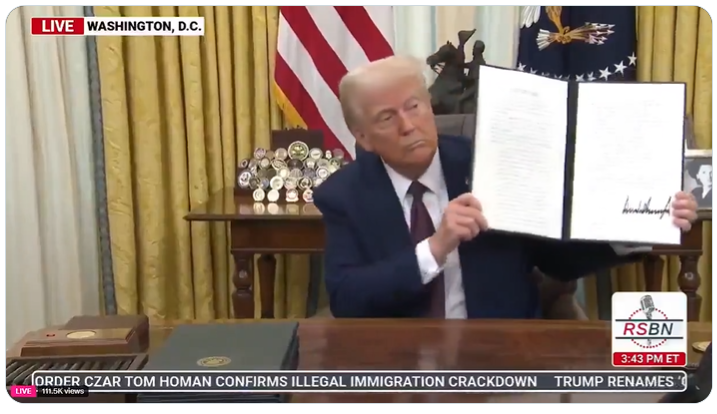
In a move that has sent shockwaves through both the financial and technology sectors, the President of the United States has signed an executive order aimed at transforming the United States into a global hub for Bitcoin and the broader cryptocurrency market. This is not merely a policy decision—it could mark a historic turning point capable of reshaping the entire blockchain industry in the years ahead.
Impact on the Global Cryptocurrency Market
Immediately following the announcement, the cryptocurrency market reacted strongly. Prices of Bitcoin and many altcoins saw positive momentum, reflecting investor optimism about a clearer regulatory environment in the world’s largest economy. As the U.S. officially “opens the door” and positions itself as a global crypto hub, a new wave of capital inflows is expected—particularly from traditional financial institutions that had previously remained cautious.
Moreover, this executive order may intensify competition among nations. Existing crypto-friendly hubs such as Singapore and United Arab Emirates may be compelled to adjust their policies to maintain their competitive edge. This could spark a global race in regulatory frameworks to attract blockchain businesses and high-tech investment.
Opportunities for Businesses and the Blockchain Ecosystem
One of the most notable aspects of the executive order is its potential to create a more favorable environment for blockchain companies operating in the U.S. Businesses stand to benefit from increased regulatory clarity, reducing legal uncertainties—one of the biggest barriers the industry has faced for years.
Major technology and crypto firms such as Coinbase and MicroStrategy are likely to be among the primary beneficiaries. At the same time, the blockchain startup ecosystem could experience rapid growth, attracting both top talent and venture capital.
Additionally, the order may accelerate the development of related sectors such as decentralized finance (DeFi), NFTs, and Web3. With the U.S.—the world’s financial powerhouse—formally backing the industry, blockchain applications could become more deeply integrated into the traditional financial system.
Challenges and Potential Risks
Despite the optimism, the decision also brings significant challenges. Promoting cryptocurrency adoption at a national scale raises concerns about risk management, particularly in areas such as money laundering, financial fraud, and market volatility.
Regulatory bodies like the U.S. Securities and Exchange Commission will play a crucial role in shaping an appropriate legal framework. Overregulation could stifle innovation, while overly lenient policies might increase systemic risks.
Furthermore, Bitcoin’s inherent volatility remains a key concern for traditional investors. Government support does not eliminate risk entirely—it primarily enhances transparency and accessibility within the market.
Long-Term Outlook
In the long run, this executive order could signal a major shift in the global financial system. If the U.S. succeeds in establishing itself as a crypto hub, cryptocurrencies may evolve beyond speculative assets and become an integral part of mainstream finance.
This transformation could also impact traditional monetary policies, forcing central banks to adapt more rapidly to digitalization trends. Other countries, will need to closely monitor developments and formulate appropriate strategies in response to this evolving landscape.
Conclusion

The executive order signed by the U.S. President is more than a political move—it is a powerful signal that the cryptocurrency industry is entering a new phase of maturity. With the potential to attract substantial capital, drive technological innovation, and redefine financial markets, this moment could become a pivotal milestone for the global crypto industry.
However, opportunity always comes with risk. Investors and businesses must closely follow policy developments and craft strategies that allow them to capitalize on this emerging wave while effectively managing uncertainties.
About The Author